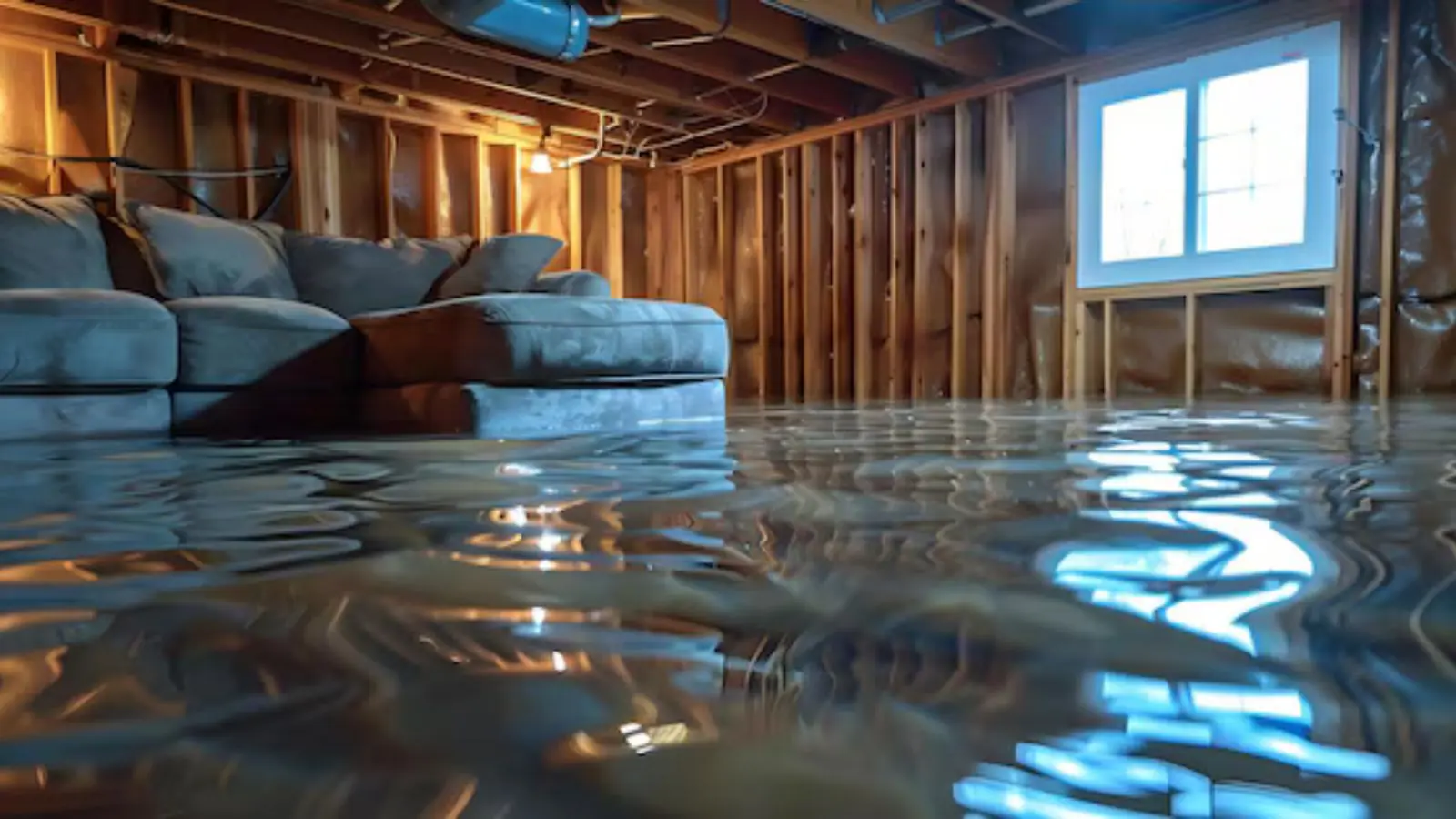
Water is still spreading: what to do now
Water mitigation is the emergency work that stops water damage from growing: shutting off the source, starting extraction, mapping moisture and setting drying equipment. If you see water or damp materials now, call the 24/7 emergency line at (562) 271-5850 while you take the first steps. Same-day response is available when crews are free, and no arrival time is promised.
Shut off the main water valve if a pipe or appliance is leaking. Cut power to wet rooms only if the panel is dry and reachable, and keep people and pets out of dark or sewage-smelling water. Lift furniture legs onto foil, pick up rugs and take photos.
My carpet squishes and the wall is damp: is that mitigation?
Yes. A squishy carpet, a wall that feels cool or damp, and baseboards that are starting to swell all mean water is still inside your house. The trade term for the response is water mitigation, and its goal is to stop the damage from spreading before repairs begin.
Water you can see on a floor is usually a fraction of what has moved into the pad, the drywall and the framing behind it.
Water still spreading? The dispatch line is open 24 hours a day.
☎ Call (562) 271-5850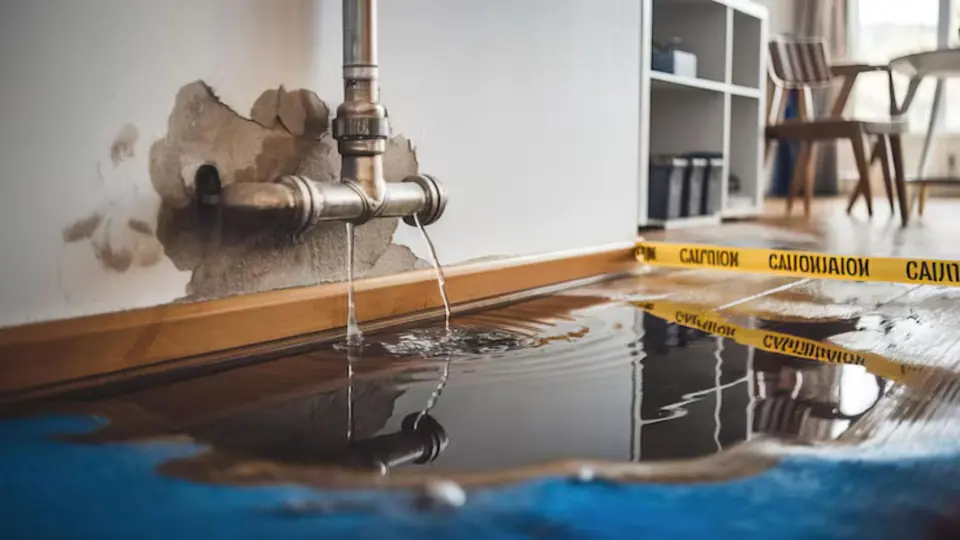
Structural drying
Structural drying is how a wet building gets back to normal. Air movers push air across wet surfaces, and LGR dehumidifiers pull the moisture out of the air so it does not settle back into materials. In wall cavities, injectidry or cavity drying forces warm, dry air through small holes so the studs and insulation dry without opening the whole wall.
Moisture meters check drywall, wood and subfloor, and thermal imaging cameras show cool wet spots behind finishes. Crews record readings in a drying log, and the goal is for wet areas to match readings in dry reference materials from an unaffected part of the building.
Monitoring visits are typical, and equipment is adjusted or removed when readings show progress. No honest company can promise a number of days up front, since materials, water category and humidity all play a part. The ANSI/IICRC S500 standard governs this work, and you can ask any company about it.
Dry in place or remove and replace
Each material reacts to water differently. This table shows how common materials are usually handled, and the final call depends on readings and water category.
| Material | Dry in place when | Remove and replace when |
|---|---|---|
| Drywall | Clean water, caught early, readings falling | Sagging, soft or sewage-contaminated |
| Carpet pad | Rarely saved | Almost always removed after a soak |
| Carpet | Clean water, quick extraction | Category 3 water or long-standing wetness |
| Hardwood | Cupping is mild and boards can be dried | Severe cupping, buckling or Category 3 exposure |
| Insulation | Foam or lightly wet batts in clean water | Soaked fiberglass or any contaminated water |
| Baseboard | Painted wood that dries evenly | Swollen, delaminating or MDF that has soaked |
A clean burst pipe caught early saves far more material than a leak that has sat for days.
When water in the house is an emergency
The U.S. EPA says water-damaged areas and items should be dried within 24 to 48 hours to prevent mold growth. In practice that means mitigation cannot wait for the next business day. Night and weekend calls are routine, and the line is answered whenever you call.
Treat a loss as an emergency if the source is still running, water has reached a second room, a ceiling is sagging, or the water is not clean. If water touches electrical outlets or a gas appliance, call the utility or 911 first.
What happens in the first 24 to 72 hours
The sequence is the same on most jobs, though each loss differs.
- 1Stop the source. The valve is shut off or the leak is isolated so no more water enters.
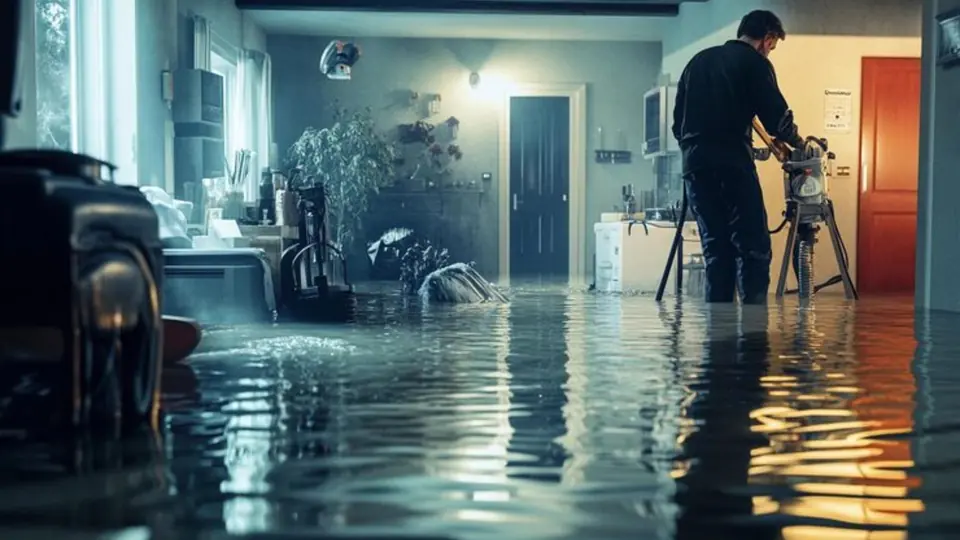
- 2Extract. Pumps, extraction units and wet vacuums remove liquid water. See emergency water removal for that step.
- 3Map the moisture. Meters and thermal imaging show where water traveled, including behind walls and under floors.
- 4Set the equipment. Air movers, LGR dehumidifiers and wall-cavity drying are placed and logged.
- 5Monitor and adjust. Crews return to read the meters and move or remove equipment as readings fall.
Mitigation versus repair, and why leaks come back as mold
Mitigation dries the structure, and water damage repair rebuilds drywall, flooring and cabinets afterward. Skipping the drying step is how a wall ends up hiding wet insulation behind fresh paint.
Mold needs moisture, and the EPA says the key to mold control is moisture control. If wet materials are not dried, or the leak is not fixed, growth becomes a separate job, and you can read about mold remediation for that. Mitigation is not waterproofing, either. It dries what got wet and does not make a building resist future water.
Leaks in Santa Fe Springs buildings
Santa Fe Springs is a Los Angeles County city of about 20,000 residents, with a large industrial base beside older residential areas. A washer valve, a water heater seeping into a slab or an AC condensate line backing up above a ceiling can run quietly in an older building, so ask for moisture readings behind finishes.
If the leak is on the street side of your meter, shut off your own main valve and contact the Santa Fe Springs Water Utility Authority. For repairs, the Building and Safety Division at 11710 E. Telegraph Road says appropriate permits must be obtained before a project starts, so ask which of your repairs need one.
What drives the cost of mitigation
Mitigation is priced from factors you can ask about when you call.
- ✓Water category and how long materials stayed wet
- ✓Affected area and the rooms involved
- ✓Materials that are dried versus removed
- ✓Drying days and the equipment on site
- ✓Monitoring visits and documentation
Sudden and accidental damage is often covered by homeowners insurance, while gradual leaks often are not, so check your policy or ask your insurer. Want your real number? Call and describe the loss, and the scope and price are explained before work starts.
Serving Santa Fe Springs and nearby towns
Our crews are licensed and insured, and the scope and price are explained before work starts. We serve Santa Fe Springs, Whittier, La Mirada and Pico Rivera, and cover Downey with the same emergency line.
Frequently asked questions
Yes. The 24/7 emergency line is answered at night, on weekends and on holidays. Call, describe what is wet and where the water came from, and the dispatcher explains the next step. Response is same day when crews are available, and no specific arrival time is promised.
Usually not. The U.S. EPA says that if wet areas are dried within 24 to 48 hours, mold will not grow in most cases. Call now, because the longer carpet and pad stay wet, the more likely they are to be removed.
Air movers push air across wet surfaces so moisture leaves the material. LGR dehumidifiers pull that moisture out of the air so the room does not simply re-wet. Together with moisture meters, they bring wet materials back to dry reference readings.
Days, not hours. Materials, water category, humidity and the size of the loss all play a part, and meter readings decide when drying is finished. No honest company can promise a set number of days before seeing the water.
We do not offer rentals. Drying works from meter readings and a drying log, and wet wall cavities and subfloors are easy to miss without them. If you do the work yourself, keep a log and check readings against a dry reference.
No. Mitigation stops the spread and dries the structure. Repair rebuilds what could not be saved, such as drywall, paint and flooring. Mitigation comes first, and repair starts once readings show the structure is dry.