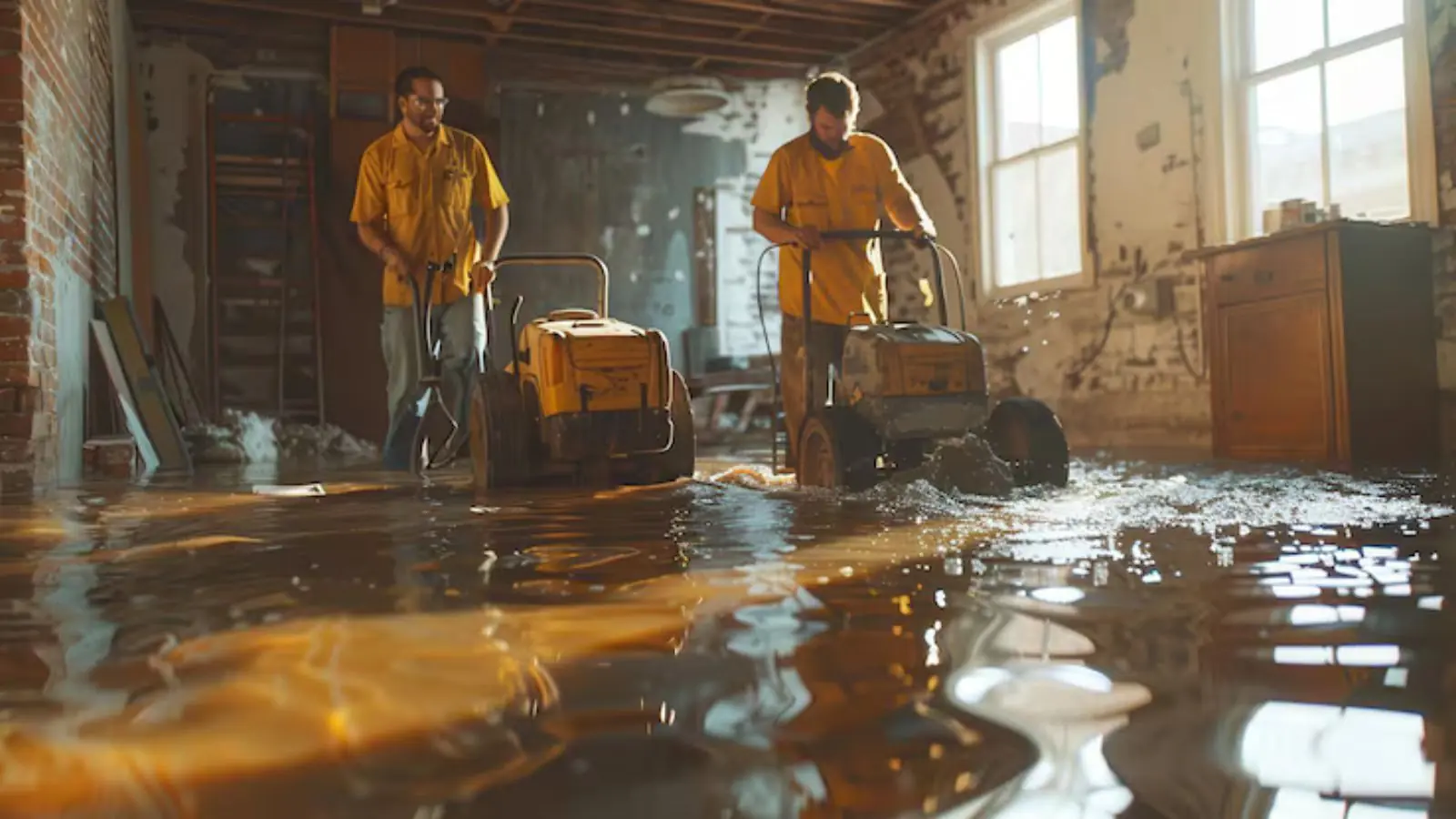
Standing water right now: do these things first
Emergency water removal means pumps and extraction units take standing water out of the structure before it reaches drywall, subfloor and framing. If water is on your floor, call the 24/7 emergency line at (562) 271-5850 and keep reading while you wait. Same-day response is available when crews are free, and no arrival time is promised.
Shut off the main water valve if a pipe or appliance is the source. Turn off breakers to wet rooms only if you can reach the panel without stepping in water. Lift rugs, electronics and paperwork onto dry surfaces, and keep children and pets away from any water that looks dark or smells like sewage.
Burst pipe water damage
A burst pipe is one of the most common reasons people call for standing water. Find the main shut-off valve first, often near the front of the house or beside the water heater, and turn it clockwise until the flow stops. Then open a faucet at the lowest point of the house to drain what is left in the lines.
Cut power to the wet area only if the panel is dry and reachable. If water is running down a wall that holds outlets, or a ceiling light fixture is filling with water, stay out of the room and call the utility or 911 before you call the restoration line.
A split supply line under a sink looks minor, but pressurized water keeps pushing into the cabinet base, under the flooring and up into the wall behind it. Inside a wall, one burst can soak insulation and the bottom plate several feet in each direction while the visible puddle stays small. Extraction with submersible pumps or wet vacuums comes first, then soaked baseboard and pad are pulled, and the structure moves to drying under water mitigation.
Water still spreading? The dispatch line is open 24 hours a day.
☎ Call (562) 271-5850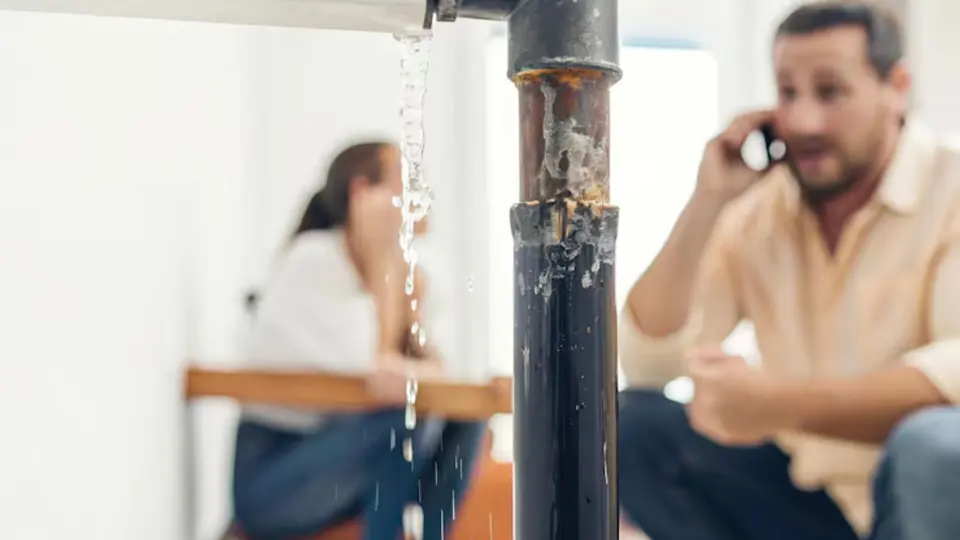
When standing water is an emergency
Not every puddle needs a pump, but some situations should not wait for morning. Call right away if any of these apply.
- ✓Water covers most of a room or is moving into a second room
- ✓Water is touching outlets, appliances or the electrical panel
- ✓The water is dark, smells like sewage or came up through a floor drain
- ✓Water is dripping through a ceiling or out of a light fixture
- ✓Carpet, wood or drywall has been wet for more than a few hours
The U.S. EPA advises drying water-damaged areas and items within 24 to 48 hours to prevent mold growth, and extraction is what starts that clock working in your favor. Night and weekend calls are normal for this work, and the line does not close.
What gets removed in each situation
The source of the water decides how it is handled. The table below sorts the four situations we see most often.
| Situation | What is removed | Safety note |
|---|---|---|
| Clean supply line break | Standing water, then wet pad and baseboard if soaked | Shut off the main valve. Keep power off to wet outlets. |
| Washer or dishwasher overflow | Standing water, wet pad and soaked cabinet toe-kicks | Unplug the appliance only if the outlet is dry. |
| Sewage or floor drain backup | Contaminated water, porous materials it touched, then sanitizing | Stay out. This is Category 3 water and needs a professional. |
| Rain intrusion | Water at doors, windows or roof leaks, plus wet insulation | Watch ceilings for sagging. Keep clear of bulging drywall. |
Water can move up a category the longer it sits. A clean leak left for days is not treated like a fresh one.
Pumps, extraction units and what each one does
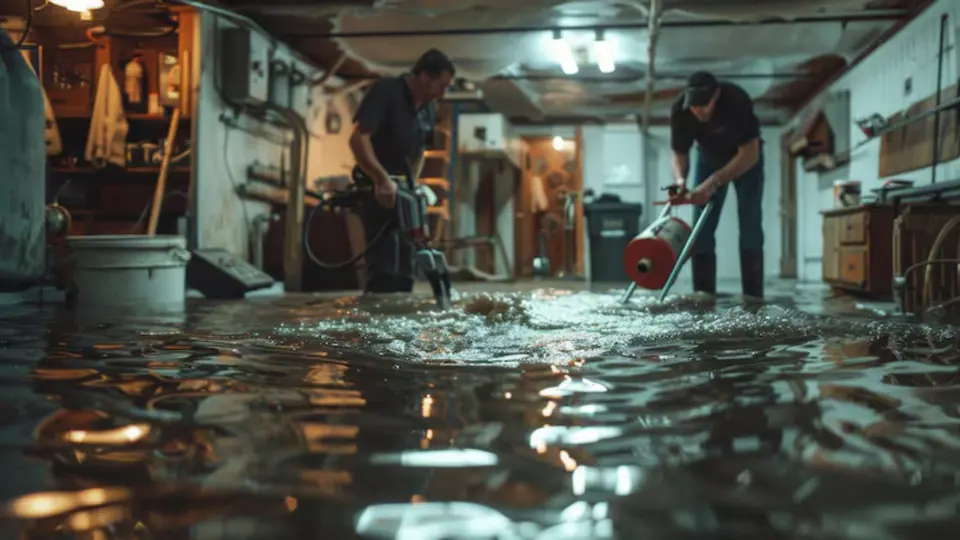
Trash pumps and submersible pumps move deep or debris-laden water quickly. Truck-mounted and portable extraction units pull water out of carpet and pad, and wet vacuums clean up thresholds, corners, hard floors and cabinet bases. Once the bulk water is gone, moisture meters and thermal imaging cameras show where the rest traveled.
Extraction does not make a building dry. It removes the liquid water so drying equipment can work on the moisture left inside materials, and ruined debris is hauled out through water damage cleanup.
Crawl spaces, raised foundations and slab leaks
Slab-on-grade and raised-foundation homes are both common in Southern California, and each hides water differently.
Standing water under a raised foundation
Water in a crawl space is out of sight, so the first clues are soft floors, a musty smell or a sound of dripping under the house. Access is tight, so small submersible pumps and long discharge hoses do the work, and wet insulation hanging under the floor is usually removed. Do not crawl into standing water near wiring.
Slab leaks
A leaking line under a slab may show up as a warm floor spot, a water meter that runs with every fixture off, or damp flooring. Extraction only handles water that has come up into the house. A plumber still has to find and repair the line, and the flooring above it is dried or replaced afterward.
Water in older Santa Fe Springs buildings
Santa Fe Springs is a Los Angeles County city of about 20,000 residents, with a large industrial base beside older residential areas. Older buildings can hide aging piping behind finished walls, so ask for moisture readings behind the wall before anyone decides what is dry.
Tap water here comes from the Santa Fe Springs Water Utility Authority. If the failure is on the street side of your meter, shut off your own main valve and then contact the utility. For repairs, the city's Building and Safety Division at 11710 E. Telegraph Road says appropriate permits must be obtained before a project starts, so ask the division which of your repairs need one.
What drives the cost of water removal
No honest company can name a price before seeing the water. These factors build the number, and you can ask about each one.
- ✓Water category and how long materials stayed wet
- ✓Depth and area covered, including how many rooms
- ✓Access, such as a tight crawl space versus an open floor
- ✓Equipment used and the hours it runs
- ✓Debris disposal and the drying that follows
Sudden and accidental water damage, such as a burst pipe, is often covered by homeowners insurance, while gradual leaks and neglect often are not. Check your policy or ask your insurer. Want your real number? Call and describe the loss, and the scope and price are explained before work starts.
Serving Santa Fe Springs and nearby towns
Crews are licensed and insured, and the scope and price are explained before work starts. The Contractors State License Board lets you check any license number at cslb.ca.gov, and a written contract should list every change in writing.
We respond across Santa Fe Springs and in Whittier, Norwalk, La Mirada and Pico Rivera. If you are just across the line, our crews also cover Downey, and the same line takes the call.
Frequently asked questions
Yes. The 24/7 emergency line is answered at night, on weekends and on holidays. Call, describe what is wet and where the water came from, and the dispatcher explains the next step. Response is same day when crews are available, and no specific arrival time is promised.
As soon as possible. The U.S. EPA advises drying water-damaged areas and items within 24 to 48 hours to prevent mold growth, and extraction has to happen before drying can start. Porous materials such as carpet pad that stay soaked longer are more likely to be removed.
For a small clean spill, yes, if the cord and outlet are completely dry. Do not use a household vacuum in standing water, and do not vacuum anything that could be sewage. A wet vacuum also cannot reach water inside wall cavities or under flooring.
No. Sewage is Category 3 water under the ANSI/IICRC S500 standard and can carry contamination. Stay out of it, keep children and pets away, and call a professional. If outlets or gas appliances are near the water, call the utility or 911 first.
The structure still holds moisture in drywall, subfloor and framing. Crews map that moisture with meters and thermal imaging, remove what cannot be saved, and set air movers and dehumidifiers. Drying is covered on our water mitigation page.
Sudden and accidental water damage is often covered, but policies differ. Gradual leaks and neglect often are not, and flood damage is usually excluded. Read your policy or ask your insurer, and keep photos and written records of the loss.