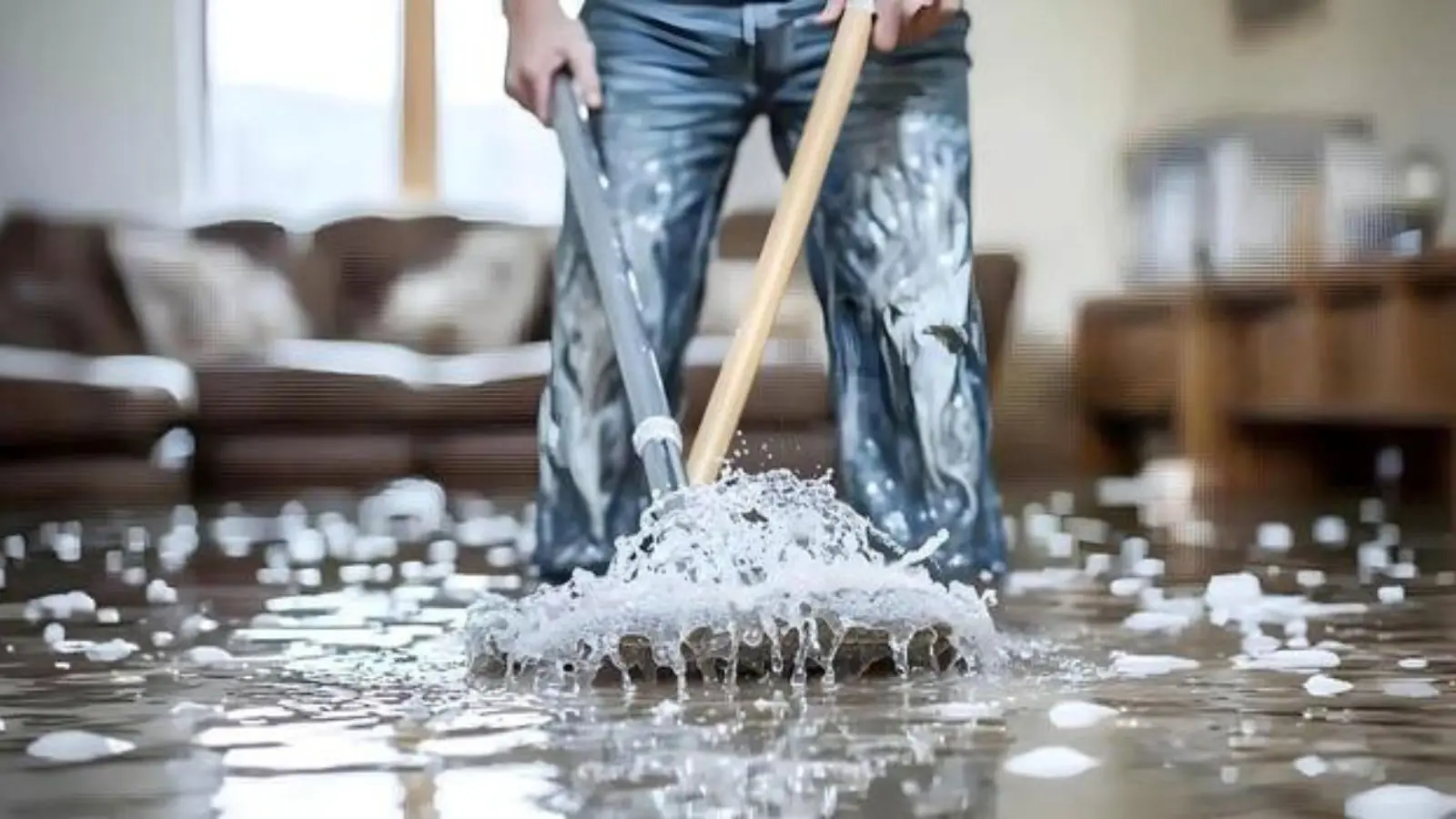
Cleanup after the water stops: act in the first 48 hours
The loss is urgent even once the leak is off. Wet material that sits for a day or two starts to smell, stain and grow mold. Call the 24/7 emergency line at (562) 271-5850 and describe what is wet. While you wait, shut off the main water valve, cut power to wet areas only if the panel is dry and reachable, lift valuables off the floor, and keep people and pets out of dirty water.
Water damage cleanup means removing the ruined materials, debris and residue left behind, then sanitizing and deodorizing what remains. It follows extraction, and it sets up the drying and rebuild that come next.
Emergency cleanup: what to remove in the first 48 hours
The U.S. Environmental Protection Agency advises drying water-damaged areas and items within 24 to 48 hours to prevent mold growth. That window decides what is saved and what is hauled out.
- 1Sort the contents. Move salvageable items out of the wet zone first, then separate restorable items from clear discards.
- 2Pull the carpet pad. Pad acts like a sponge and is often removed even when the carpet above it can be dried.
- 3Cut the lower wall. Wet baseboards and the bottom of drywall are opened so air can reach the cavity.
- 4Remove wet insulation. Soaked batts are heavy, hold water and are replaced rather than dried.
- 5Bag and haul debris. Contaminated materials are bagged and carried out so they do not spread residue through the home.
Same-day response is offered when crews are available, and that includes evenings and weekends. No arrival time is promised, but the dispatcher tells you honestly what to expect when you call.
Water still spreading? The dispatch line is open 24 hours a day.
☎ Call (562) 271-5850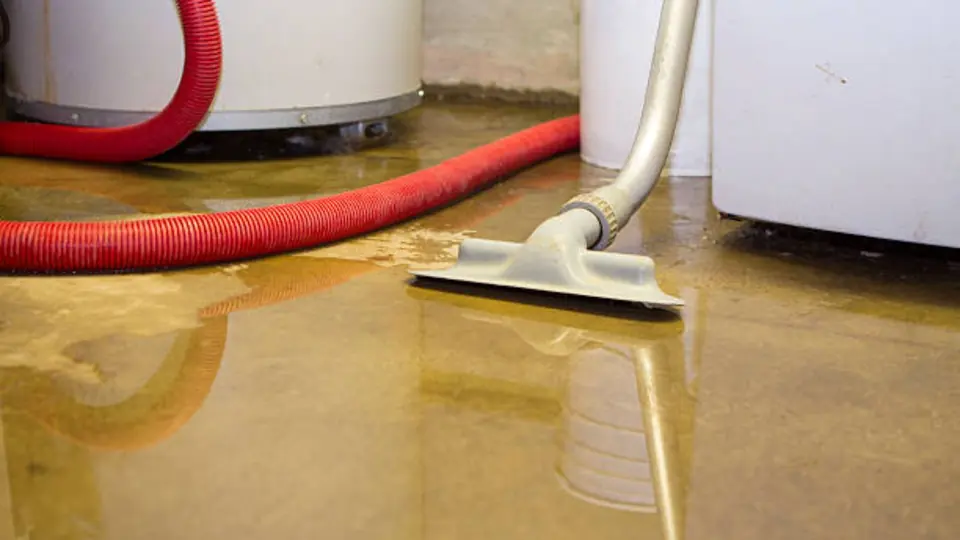
How contents are sorted: salvage, restorable, discard
Everything in the wet zone lands in one of three piles. Salvage items were never touched, or were only splashed, and can be wiped and moved to a dry room. Restorable items are wet but can be cleaned, dried and returned, such as solid wood furniture, glass, metal and many hard-surface items.
Discard items are porous things that absorbed dirty water, such as mattresses, upholstered pieces, particleboard furniture and stuffed toys. The decision depends on the water category and how long the item sat wet. When in doubt, photograph it before it goes, because your insurer may want a record.
Carpet, pad, drywall and baseboards
Carpet from a clean-water leak that is caught early can often be lifted, dried in place and cleaned, while the pad underneath is removed and replaced. Carpet touched by sewage or floodwater is discarded because it cannot be sanitized to a safe level.
Drywall is checked with a moisture meter and thermal imaging camera, and the wet section is cut out past the visible stain. Baseboards are popped off so the wall bottom can breathe. Wet insulation inside the wall is bagged, and the studs are cleaned and left to dry before anything new goes up. Rebuilding is covered under water damage repair.
Personal belongings and pack-out
Pack-out means boxing and moving belongings out of the affected rooms so cleanup and drying can proceed without working around furniture. Items are inventoried, wrapped and kept in a dry area, then returned when the room is ready.
Paper, photos, electronics and fabrics each need different handling. Electronics that got wet should not be turned on, and important papers can sometimes be frozen to buy time before drying. Ask the crew what can be restored and what should be treated as a loss.
Sanitizing and deodorizing what stays
Once debris is gone, remaining surfaces are cleaned and treated with an antimicrobial product matched to the water category. Hard surfaces such as concrete, framing and tile are scrubbed with detergent and then treated, while wiped surfaces are left to dry fully.
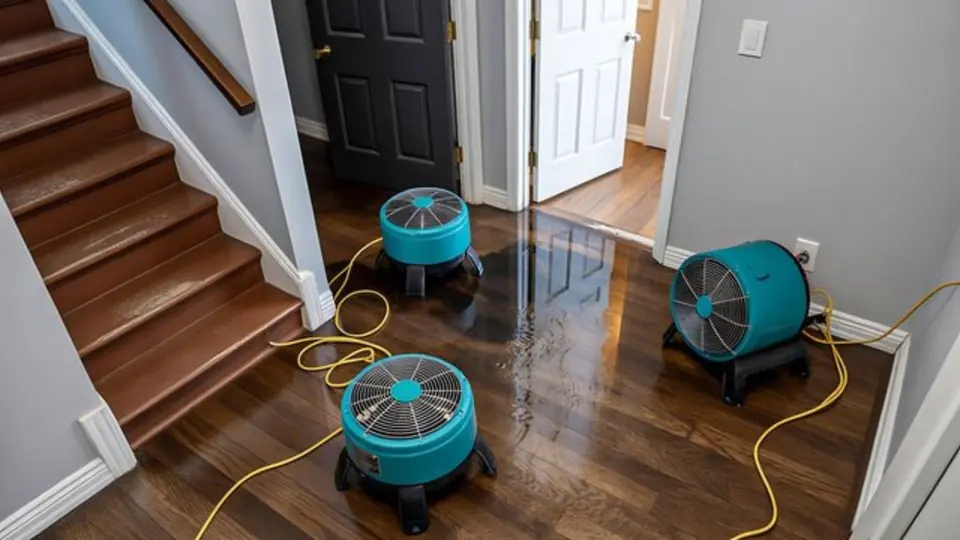
Odor is dealt with at the source rather than masked. HEPA air filtration pulls fine dust and particles from the air during demolition. Hydroxyl or ozone equipment is used only in unoccupied spaces and only when the source of the smell has already been removed, because machines alone do not fix a wet, contaminated subfloor. Wet vacuums, air movers and dehumidifiers finish the job by drying the space. See water mitigation for how drying is monitored.
Safety first when the water is dirty
If water has reached outlets, the electrical panel or a gas appliance, stay out and call the utility or 911 before you call the restoration line. Do not walk through standing water near live electrical equipment. Ready.gov advises avoiding wading in floodwater, which can be contaminated and contain dangerous debris.
Sewage or gray water from a floor drain, toilet or backed-up line is a safety issue. Keep children and animals away, do not try to clean it with a household mop, and let the crew set containment first.
What gets saved and what gets thrown away
The water category decides most outcomes. The ANSI/IICRC S500 standard sorts water into category 1 (clean), category 2 (significantly contaminated) and category 3 (grossly contaminated), and water can move up a category the longer it sits.
| Item | Usually saved or discarded | Why |
|---|---|---|
| Carpet, category 1 | Often saved | Clean water lifts out and carpet dries if caught early |
| Carpet pad | Usually discarded | Holds water and is cheap to replace |
| Carpet, category 3 | Discarded | Cannot be reliably sanitized |
| Drywall, category 1 | Saved if firm and dried fast | Wet longer than 48 hours it softens |
| Drywall, category 2 or 3 | Cut out | Porous and holds contamination |
| Solid wood furniture | Usually saved | Cleaned and dried, category 3 needs care |
| Mattresses and upholstery | Usually discarded | Absorb dirty water deep inside |
| Insulation | Discarded | Compresses and stays wet |
These are general patterns. The crew's moisture readings and the water source make the final call.
Documenting items for a claim and disposing of contaminated materials
Photograph the damage, the source and each item before it is moved or discarded, and keep a list with rough ages and values. Moisture readings and a written scope give your adjuster something concrete to review. Policies differ, so check your policy or ask your insurer. Sudden and accidental water damage is often covered, gradual leaks and neglect often are not, and flood damage is usually excluded.
Contaminated materials are bagged, kept out of the clean areas and hauled away rather than set on the curb. Ask the crew how the debris is being handled and where it goes.
What drives the cost of cleanup
- ✓Water category and how long materials stayed wet
- ✓Affected area and number of rooms
- ✓Volume of debris, disposal and hauling
- ✓Amount of pack-out and contents handling
- ✓Sanitizing and deodorizing needed, plus drying days
Want your real number? Call and describe the loss, and the scope and price are explained before work starts. Crews are licensed and insured and serve Santa Fe Springs, Whittier, Norwalk, Downey, La Mirada and Pico Rivera.
Frequently asked questions
Yes. The emergency line is answered 24 hours a day, including nights, weekends and holidays. Same-day response is offered when crews are available. We do not promise a specific arrival time, but the dispatcher tells you what is happening and what to do while you wait.
As soon as the source is stopped. The U.S. Environmental Protection Agency advises drying water-damaged areas and items within 24 to 48 hours to prevent mold growth. Materials left wet beyond that window are more likely to be removed than saved.
Sometimes. Carpet from a clean-water leak that is caught early can often be lifted and dried, while the pad is replaced. Carpet from sewage or floodwater is normally discarded.
Yes. Porous materials such as drywall, pad, insulation and soaked upholstery are cut out, bagged and hauled away. Containment is set when the water is dirty so residue does not spread to clean rooms.
Take wide and close photos of the damage and the source before anything moves, list damaged belongings, and keep receipts. Moisture readings and a written scope also help. Check your policy or ask your insurer what is covered, since we cannot promise approval.
The price is built from the water category, the area affected, debris volume, contents handling and sanitizing needs. After an on-site look, scope and price are explained before work starts.