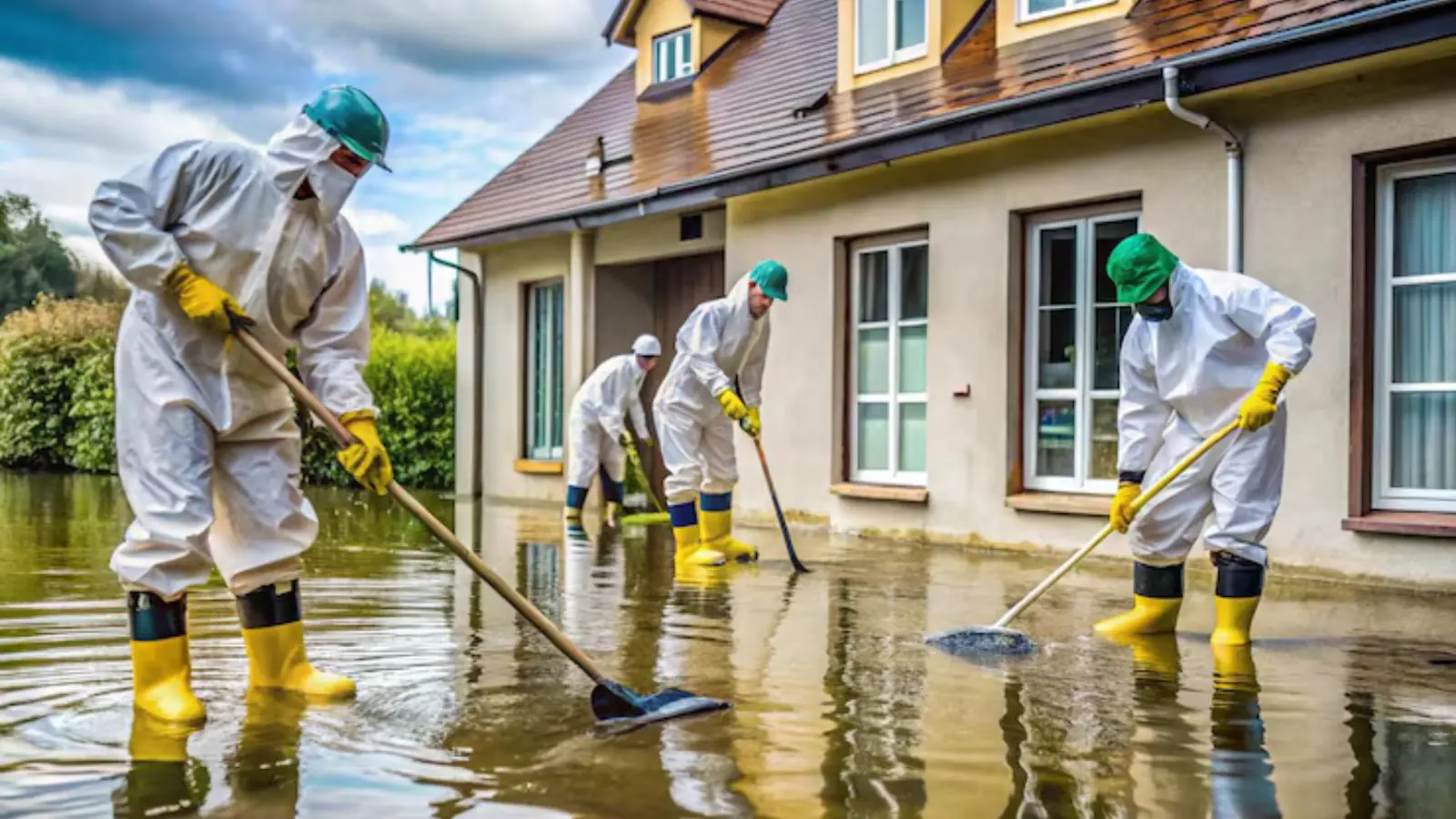
Floodwater in the house: safety comes first
Flood damage restoration is the work of removing floodwater or sewage, containing the contaminated area, and drying the structure so it can be repaired. If water is rising or a drain has backed up, call the 24/7 line at (562) 271-5850 after you are safe. Same-day response is available when crews are free, and no arrival time is promised.
Turn off the electricity only if it is safe to do so. If the panel is in or near the water, leave it alone and call the utility or 911 first. Keep children and pets out of the water, and take photos of the damage before anything is moved.
When floodwater or sewage is an emergency
Ready.gov warns against wading in floodwater, which can be contaminated and contain dangerous debris, and it says not to walk, swim or drive through flood waters. Treat any of the following as an emergency.
- 1Water is moving in. Rain, runoff or a rising drain is still adding water, so extraction cannot finish yet. Get people and pets to higher, dry ground.
- 2Sewage is involved. Dark water, a sewage smell or a toilet or floor drain pushing water up means Category 3 water. Stay out and do not run more water down the drains.
- 3Electrical or gas risk. Water near outlets, the panel or a gas appliance is a utility or 911 call before any restoration call.
- 4Authorities have not cleared the area. Return home only when authorities say it is safe, as Ready.gov advises.
After-hours flooding is common, because storms and backups do not keep business hours. The emergency line is answered at night and on weekends.
Water still spreading? The dispatch line is open 24 hours a day.
☎ Call (562) 271-5850Water categories: where the water came from
The ANSI/IICRC S500 standard sorts water into three categories, and the category decides what can be dried in place and what must be thrown away.
| Category | Typical source | What happens |
|---|---|---|
| Category 1 (clean) | Broken supply line, sink overflow with clean water | Extract and dry in place when caught early. |
| Category 2 (significantly contaminated) | Washer or dishwasher discharge, toilet overflow without solids | Extract, clean and sanitize. Pad and other porous materials are often removed. |
| Category 3 (grossly contaminated) | Sewage, rising floodwater, groundwater or storm runoff entering the house | Containment, removal of porous materials, full sanitizing and drying. Treat as a safety issue. |
Water can move up a category the longer it sits. Clean water that stays in carpet for days is not treated like a fresh leak.
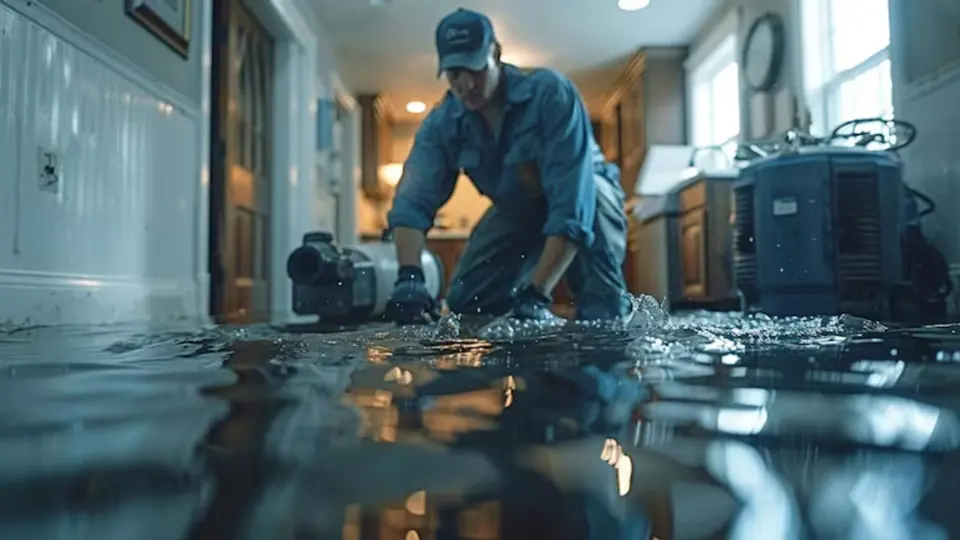
Sewage backup cleanup
Sewage is Category 3 water. Stay out of the area, keep people and pets away, and do not use the toilets, tubs or washer until the line is clear. If water has reached outlets or a gas appliance, call the utility or 911 before you call the restoration line.
The U.S. EPA says that if water or mold damage was caused by sewage or other contaminated water, you should call in a professional. Crews set up containment barriers, extract the water and remove porous materials the sewage touched, such as carpet, pad, insulation and lower drywall. Hard surfaces are cleaned, sanitized and dried.
Work follows ANSI/IICRC S500, a published standard you can ask any company about. Removed materials go out in sealed bags, and HEPA air scrubbers can run while the area is open. A plumber or the sewer authority handles the blocked line itself.
Basement and below-grade flooding cleanup
True basements are uncommon in this part of Southern California, so do not assume your home has one. Below-grade flooding here usually means a sunken living room, a garage below the driveway, a stairwell, or a crawl space under a raised foundation.
Groundwater and runoff are Category 3, so the response is the same as for any contaminated flood. Pumps clear the lowest point first, and wet drywall, insulation and carpet are removed. Hard flooring and framing are cleaned, then dried with air movers and LGR dehumidifiers.
Garages and crawl spaces are easy to overlook. Water pooled under the floor can wet the subfloor from below for days, so moisture meters and thermal imaging cameras check the structure before anyone closes it up. Do not wade into standing water near wiring or a water heater.
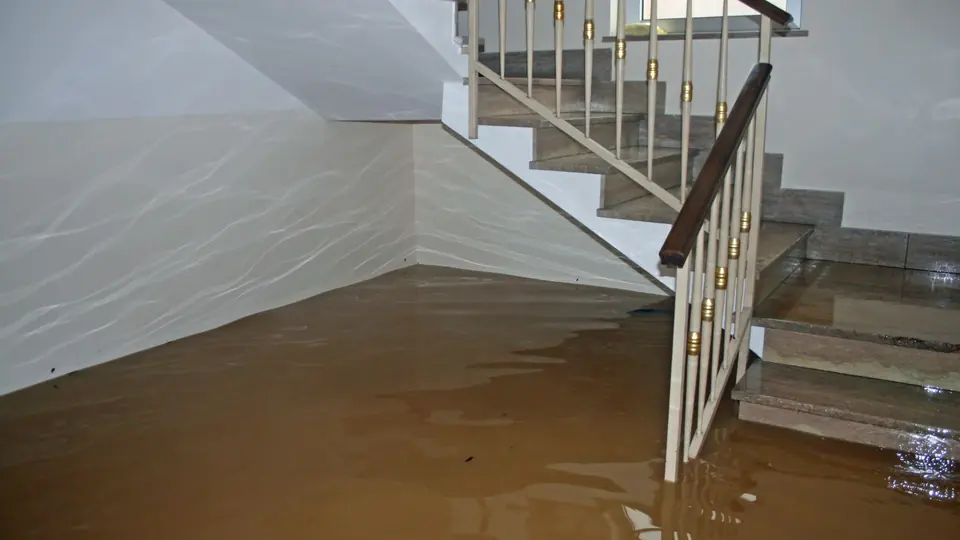
How containment and drying work together
Containment keeps contamination in one zone. Plastic barriers seal the doorway, and air scrubbers pull airborne particles through filters so they do not spread to clean rooms.
Drying starts after contaminated materials are out. Air movers push air across wet surfaces, LGR dehumidifiers pull moisture from the air, and meters track readings until they match dry reference materials. Related debris removal is described under water damage cleanup, and the drying phase itself is explained on the water mitigation page.
Flood insurance: what to check
The California Department of Insurance states that standard homeowners insurance does not cover flood damage. Flood coverage is available through the National Flood Insurance Program, and a new policy takes effect 30 days after purchase unless a lender requires it.
That means a policy bought after the water arrives will not help with this loss. You can look up your address on the FEMA Flood Map Service Center to see what the map says. Sewage backups and rain intrusion are treated differently by different policies, so ask your insurer, and do not assume approval of any claim.
Flooding in an older industrial and residential city
Santa Fe Springs has a heavy industrial base beside older neighborhoods, and Interstate 5 and Interstate 605 pass through town. Older homes and buildings can hide old piping and layered finishes, so ask for moisture readings behind the walls before any area is called dry.
For rebuilding, the city's Building and Safety Division at 11710 E. Telegraph Road says appropriate permits must be obtained before a project begins. The page does not list which repairs need one, so ask the division before you replace drywall or fixtures.
What drives the cost of flood restoration
Flood work is priced from several factors that you can ask about when you call.
- ✓Water category, with sewage and groundwater costing more labor to contain
- ✓Area affected and number of rooms
- ✓Materials that must be removed and hauled away
- ✓Drying days and the equipment that runs
- ✓Rebuild scope after the structure is dry
Want your real number? Call and describe the loss, and the scope and price are explained before work starts.
Serving Santa Fe Springs and the towns around it
Crews are licensed and insured. We serve Santa Fe Springs, Whittier, La Mirada and Pico Rivera, and across the line in Norwalk. After flooding, standing moisture can invite mold if materials stay wet, so the water source and drying come first, followed by mold remediation when growth is found.
Frequently asked questions
Yes. The 24/7 emergency line is answered at night, on weekends and on holidays. Call once you are safe, describe the water and its source, and the dispatcher explains the next step. Response is same day when crews are available, and no arrival time is promised.
No. Ready.gov warns that floodwater can be contaminated and contain dangerous debris, and it advises against wading in it. Water near outlets or appliances adds electrical risk. Stay out and call a professional.
Stop using the plumbing, stay out of the water and keep children and pets away. If water has reached outlets or gas appliances, call the utility or 911 first. Then call the emergency line for containment and removal.
Usually not. The California Department of Insurance states that standard homeowners insurance does not cover flood damage, and flood coverage is available through the National Flood Insurance Program. Check your policy or ask your insurer, and look up your address on the FEMA Flood Map Service Center.
Usually not if the water was Category 3. The U.S. EPA notes that absorbent or porous materials such as carpet may have to be thrown away if they become moldy, and sewage-contaminated porous materials are typically removed. Hard surfaces can be cleaned, sanitized and dried.
The U.S. EPA says that if wet areas are dried within 24 to 48 hours, mold will not grow in most cases. Mold needs moisture, so drying quickly matters. Ask a physician about any health questions.