The sequence in brief
Restoration runs in six stages: stop the source, make it safe, extract standing water, assess and remove what cannot be saved, dry the structure, then clean and repair. Drying usually takes several days, and the exact length depends on the materials, the water category and the equipment used.
The ANSI/IICRC S500 standard is the published guide for professional water damage restoration, and any homeowner can ask a company whether its work follows it.
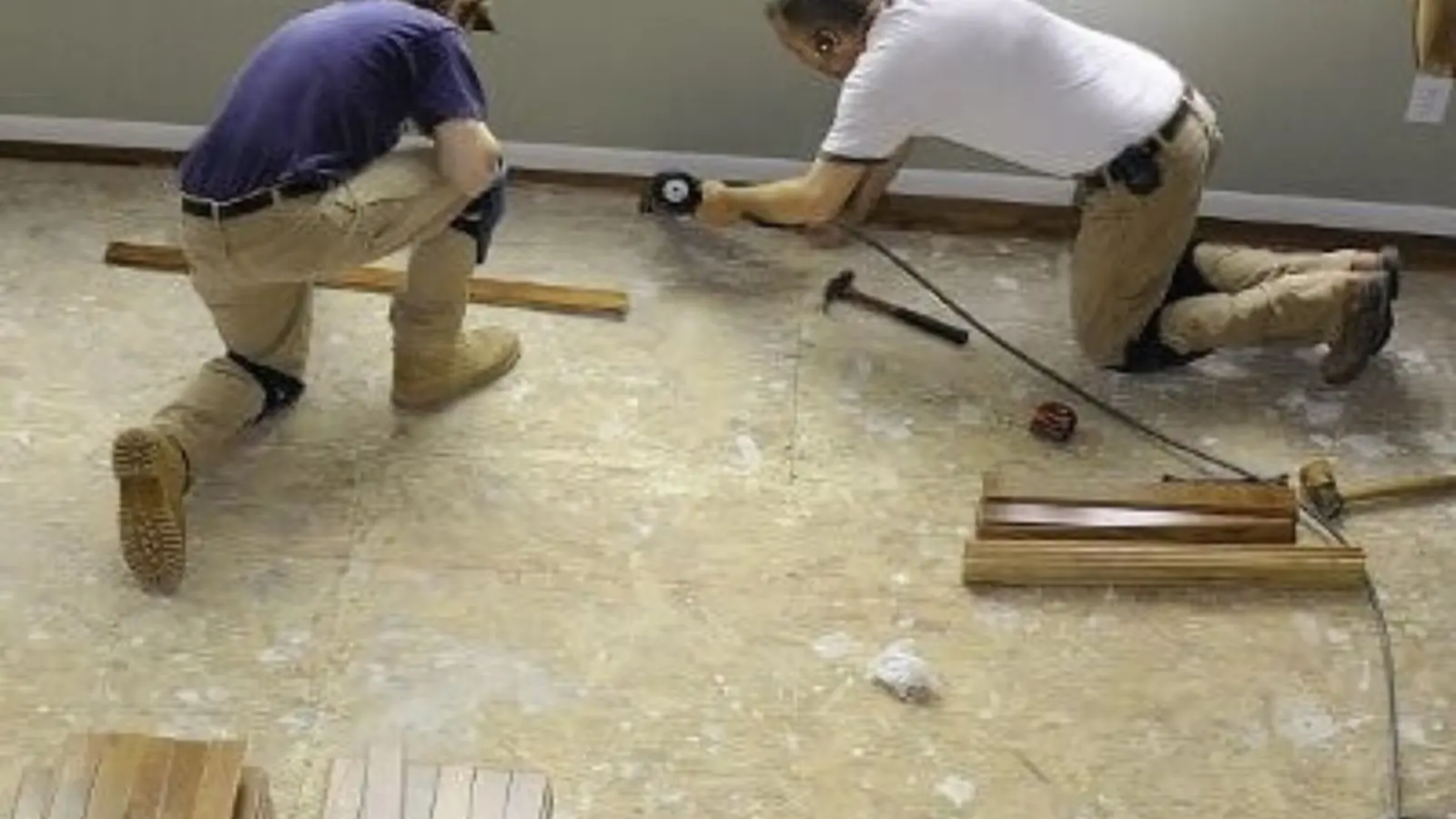
Wet insulation, baseboards and cabinet kicks are common casualties, and each one is photographed before it is bagged. Keeping a simple log of what came out, and where, makes the later repair scope and any insurance conversation far easier.
Stage one: stop the source and shut off the main valve
Everything starts with the water supply. In Santa Fe Springs, tap water comes from groundwater and imported Metropolitan Water District supply, but either way it enters your home through one main line with a shutoff valve. Turn it clockwise until it stops, often near the front of the house or by the water heater.
If you cannot find the valve, the utility can help. Open the lowest faucet to drain the lines, and shut off the water heater if the leak is on the hot side.
Water still spreading? The dispatch line is open 24 hours a day.
☎ Call (562) 271-5850Stage two: assessment
A technician walks the structure with a moisture meter, which reads wood, drywall and concrete, and often a thermal imaging camera to show wet areas behind finishes. The water is classified into Category 1, 2 or 3 under S500, which describes how clean or contaminated it is and decides what can be dried in place.
Photos and readings go into a scope of work. The scope and price are explained before work starts, and you decide whether to proceed.
A typical timeline, with no promises
Every loss is different, so treat this table as a general pattern and not a schedule. Larger losses, contaminated water and dense materials like hardwood and concrete take longer.
| Stage | Typical timing | What happens | What you can do |
|---|---|---|---|
| Day 0 | Same day when crews are available | Assessment, extraction of standing water, removal of unsalvageable materials | Shut off water, move valuables, take photos |
| Days 1 to 2 | First 24 to 48 hours | Air movers and LGR dehumidifiers placed, wet cavities opened if needed | Keep doors and windows closed, leave equipment running |
| Days 2 to 5 | Often several days | Daily moisture readings, equipment moved or removed as areas dry | Allow access for readings and keep a log |
| Day 5 and after | Depends on readings | Final readings compared to dry reference materials, equipment removed | Review the drying log and the repair scope |
| Following weeks | Depends on rebuild scope | Drywall, flooring, paint and trim repair | Confirm the written scope and any changes |
Timing is a general pattern, not a promise. Water category, materials and affected area change the schedule.
Stage three: extraction and removal
Standing water comes out first, using pumps, extraction units and wet vacuums. Water that sits in carpet and pad is extracted too, and pad that cannot be cleaned is usually removed. Drywall wicks water upward, so crews often cut it a foot or two above the visible line and open the wall cavity to the studs.
Removal sounds drastic, but wet materials left in place hold moisture against framing. The EPA says water-damaged areas should be dried within 24 to 48 hours to prevent mold growth, so the early removal decisions matter.
Stage four: drying equipment and monitoring
Air movers push dry air across wet surfaces, and LGR dehumidifiers pull moisture out of the air so the materials can release more. Hardwood floors may get specialty mats. The equipment runs continuously, which is why it sounds like a lot of noise for a long time.
Technicians return to take readings and adjust the setup. The goal is for wet materials to match the readings of dry reference materials, and the equipment stays until they do. This is the heart of water mitigation, and it decides how much of your house needs replacing.
Stage five and six: cleaning and repair
Once everything is dry, surfaces are cleaned and treated. Then rebuilding begins with new drywall, insulation, flooring, baseboards and paint. Some jobs hand off to a separate repair crew, and some are done under one contract, so ask how your scope is organized.
Wide cleanup, deodorizing and content handling often follow drying. If you want the cleaning scope explained, water damage cleanup describes what gets cleaned and what gets replaced.
Questions to ask before work starts
A written scope should name the rooms, the materials to be removed, the equipment and the expected number of drying days. Ask how often readings are taken and whether you will get a copy of the drying log at the end. Ask how change orders are handled, and make sure any change is written down before it is done.
California's contractor board says to get a written contract, pay no more than 10 percent down or 1,000 dollars, whichever is less, and check the license number at cslb.ca.gov. Ask the company to confirm in writing that the work follows the published ANSI/IICRC S500 standard.
Nearby towns, same sequence
The sequence is the same for a slab leak in La Mirada or a ceiling failure in Whittier. What changes is the material, the water category and how much of the house is wet.
Your main valve is the start of the chain
The Santa Fe Springs Water Utility Authority's 2024 Water Quality Report says the city's tap water comes from two sources, groundwater and surface water. The groundwater comes from deep wells in the Whittier Narrows area and Central Basin supply delivered through the City of Whittier, and the imported share is the Metropolitan Water District blend of Colorado River and State Water Project water.
Whatever the source, it all reaches your house through one line with a shutoff. Locate it now, test that it turns, and tell everyone in the household where it is. If it will not close, call the utility and mention it before an emergency.
Source type: City of Santa Fe Springs Water Utility Authority 2024 Water Quality Report
Frequently asked questions
Drying usually takes several days, and rebuilding can take weeks beyond that. The timeline depends on the water category, the materials and how much area is wet.
No company can promise an exact schedule before assessing the loss. Ask for a written scope and updates as readings come in.
Air movers speed up evaporation from surfaces, and dehumidifiers remove the moisture from the air so it does not settle back. Wet drywall, framing and flooring release water slowly.
The setup is adjusted at each visit as areas dry.
Often not, but it depends on the water category, the odor and the noise. Contaminated water jobs may call for temporary relocation of part of the home.
Ask the technician what is expected for your layout.
You can stop the source, lift valuables and photograph the damage. Avoid removing building materials yourself until the crew has documented them.
If the water is sewage or flood water, stay out and wait.
The Santa Fe Springs Water Utility Authority reports two sources, groundwater and surface water. Groundwater comes from deep wells in the Whittier Narrows area and Central Basin supply, and imported water comes from the Metropolitan Water District.
The main valve location is what matters in a leak, so find yours before you need it.