The short answer
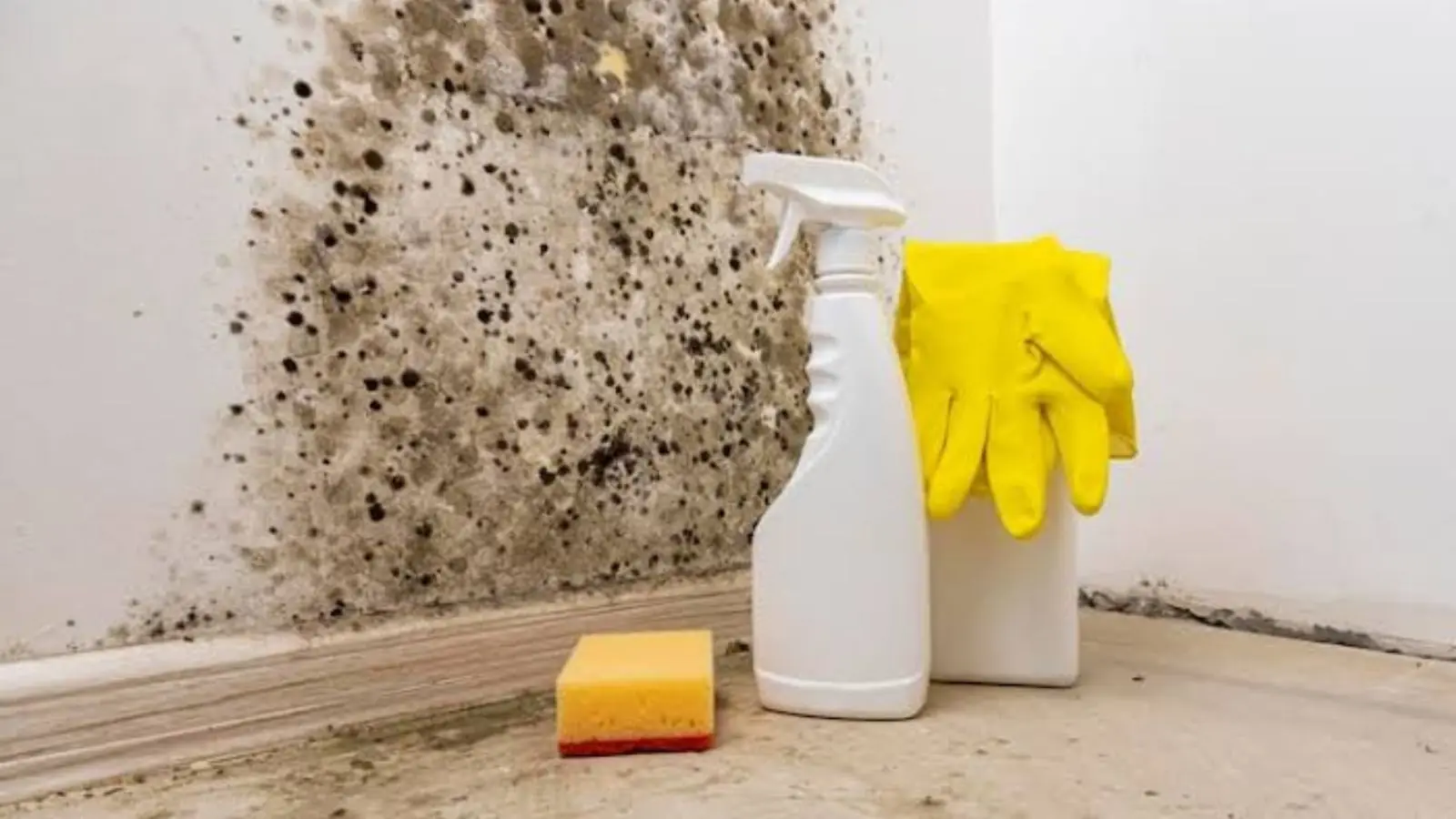
Mold can grow after water damage if materials stay wet. The EPA says that if wet or damp materials are dried within 24 to 48 hours of a leak or spill, in most cases mold will not grow, and that none of the many types of mold will grow without water or moisture.
So the order is moisture first, mold second. Stop the water, dry everything, and only then clean or remove what is affected.
Where the water usually comes from
Callers who find mold usually mention a recent leak. A toilet supply line that wept for weeks, an AC condensate line that backed up into a closet ceiling, a roof leak above a bedroom, a failed siding seam or a sink drain that dripped inside a cabinet are the common ones.
In every case the mold is the symptom and the water is the cause. EPA guidance says that if you clean up mold but do not fix the water problem, most likely the mold problem will come back. The leak gets repaired first.
Check the places water hides first. Look under sinks, behind toilets, around the water heater, along the air handler and under windows after rain. A small dark patch or a soft spot in the wall is a reason to look further.
Water still spreading? The dispatch line is open 24 hours a day.
☎ Call (562) 271-5850What you can reasonably do yourself
- ✓Fix the leak and remove standing water right away.
- ✓Dry wet materials and keep the area ventilated.
- ✓Scrub mold off hard surfaces with detergent and water, then dry completely.
- ✓Discard absorbent or porous materials such as ceiling tiles and carpet that are moldy.
- ✓Photograph the area before cleanup so you have a record.
- ✓Talk to a physician first if you have health concerns, since that is a medical question.
The EPA also says that if there has been a lot of water damage, or mold growth covers more than 10 square feet, you should consult its guidance and consider professional help.
Wear gloves and a mask when cleaning small areas, and stop if you find more than you expected. A job that keeps growing is a job for a professional.
When to call a professional
Call a professional if the water was sewage or other contaminated water, if the area is larger than about 10 square feet. Also call if you suspect hidden mold behind walls or under flooring, or if the musty smell does not go away after a leak was fixed. Hidden moisture is the reason.
If water has touched outlets or the panel, cut power only if the panel can be reached dry, and call the utility or 911 for electrical or gas risk first. Keep people and pets away from contaminated water.
What professional remediation involves
Professional work follows ANSI/IICRC S520, the published standard for mold remediation, which a homeowner can ask any company about. It typically includes finding and stopping the moisture source, setting containment barriers, running HEPA air scrubbers, removing materials that cannot be cleaned, cleaning surfaces and drying the structure.
No contractor can promise that mold will never return, since that depends on moisture control afterward. The work is described on the mold remediation page, and the drying that comes before it is covered under water damage cleanup.
Testing, clearance and selling a home
Identifying mold by sight is unreliable, so color alone should not decide what is done. Testing and S520 guidance exist for that reason, and health questions belong to a physician. Independent clearance testing, done by a third party who is not the remediation company, can confirm that conditions meet the plan afterward.
In a home sale, a buyer's lender may not fund until mold is addressed, which is why mold clearance for a sale or loan comes up. Whether a lender accepts any report is up to the lender, so ask early.
Choosing and checking a contractor
California requires a license for any construction project worth 500 dollars or more, labor and materials combined, so ask whether the contractor is properly licensed and check at cslb.ca.gov. Get a written contract with changes in writing, and pay no more than 10 percent down or 1,000 dollars, whichever is less.
Ask for the scope and price before work starts, how containment will be handled, and how the company decides drying is complete. Ask what clearance testing they recommend and who performs it.
Hidden moisture scenarios
AC condensate line behind a closet wall
A clogged drain line can drip for weeks. The stain may be small while the drywall and insulation behind it are wet.
Toilet supply line weeping under the floor
A slow drip can soak subfloor and vinyl from below. Readings from the room below or the crawl space tell the story.
Roof leak into an attic
Insulation holds water against framing. It is often removed and replaced as part of the work.
Nearby cities, same moisture rules
Mold control works the same everywhere. A damp closet in Norwalk and a leaking bathroom in Whittier both need the source fixed and the materials dried before cleaning makes sense.
The local difference is mostly the age of the building and its materials. Share that when you describe the loss so the inspection looks in the right places.
Insurance and mold
Coverage for mold varies a great deal by policy and by cause. Mold that follows a sudden and accidental leak may be treated differently from mold that follows a long-term leak. Check your policy, ask your insurer, and keep photos, invoices and drying records.
Old wood at Heritage Park and what it means at home
Heritage Park, at 12100 Mora Drive, is home to a Carriage Barn museum built in 1880 and rebuilt in 1987 from photographs. Old wood structures last when moisture is controlled, and the same idea applies to framing in any older Santa Fe Springs building. Moisture control is the lasting protection, not a surface cleaning.
If your building is older, tell your contractor and ask for moisture readings in walls and floors after any leak. Follow the EPA advice to dry wet areas within 24 to 48 hours, since delay is what lets mold begin.
Source type: City of Santa Fe Springs Heritage Park information and U.S. EPA mold guidance
Frequently asked questions
No. The EPA says that if materials are dried within 24 to 48 hours, in most cases mold will not grow. Mold needs moisture to grow.
That is why drying quickly matters more than any product you can spray.
The EPA advice for hard surfaces is to scrub with detergent and water and dry completely. Porous materials like ceiling tiles and carpet may have to be thrown away.
Cleaning the surface does not help if the water problem is not fixed.
A musty smell, a stain that returns, bubbling paint or a previous leak are clues, but only moisture readings and inspection can confirm hidden damage. The EPA suggests an experienced professional if you suspect a hidden problem.
Do not guess from color or look.
Clearance is testing after remediation to confirm the work met the plan. Independent clearance is done by a third party, not the remediation company.
It is often asked for when a home is being sold or financed.
Older buildings often have more wood framing, plaster or layered finishes that hold moisture. After any leak, ask for readings behind finishes rather than judging by the surface.
Mention your home's age when you describe the loss.